If you've ever found yourself absentmindedly drawing little shapes, swirls, or patterns in the margins of a notebook, you've already had a taste of zen doodle art.
One of the things I love most about this style of drawing is that there's no pressure to create a masterpiece. It's less about the finished artwork and more about enjoying the process. Whether you're looking for a creative hobby, a way to relax after a busy day, or simply something fun to fill your sketchbook with, zen doodle art is a wonderful place to start.
In this guide, I'll walk you through the basics of zen doodle art so you can start creating your own with confidence today.
What is zen doodle art?
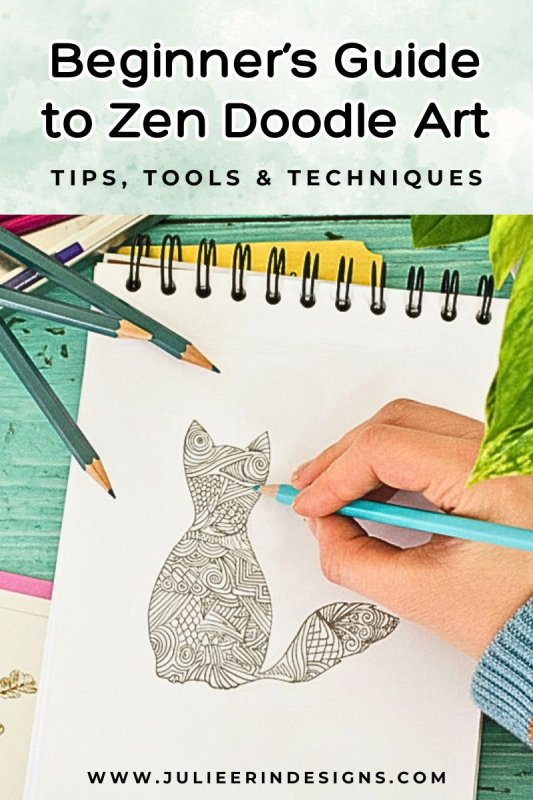
Zen doodle art is a style of drawing that uses simple, repetitive patterns to create interesting and often intricate designs.
You don't need to be an experienced artist to enjoy it. In fact, some of the most beautiful doodles are created using just a few basic shapes repeated over and over again.
Many people find doodling relaxing because it encourages you to slow down, focus on the present moment, and enjoy the simple act of making marks on paper.
There are no strict rules, which is part of what makes it so enjoyable.
Why you'll love it
Zen doodle art is perfect if you:
- Want an easy creative hobby
- Feel intimidated by traditional drawing
- Enjoy relaxing, mindful activities
- Want to fill your sketchbook with beautiful pages
- Like experimenting with patterns and shapes
It's one of those creative activities where every page teaches you something new.
What you'll need
The best part is that you probably already have everything you need.
I recommend starting with:
- A sketchbook
- A black fine-liner or gel pen
- A pencil (optional)
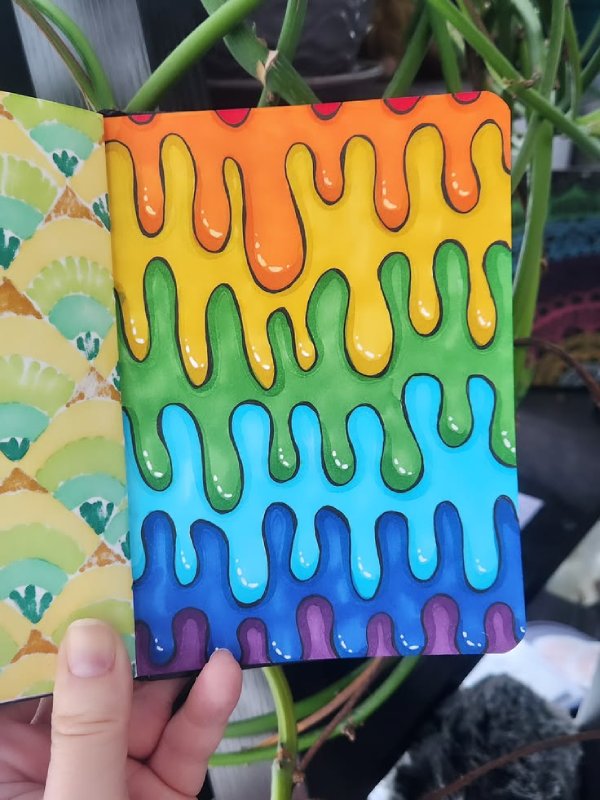
- Coloured pencils or markers if you'd like to add colour later
That's it.
There's no need to buy expensive supplies before you begin.
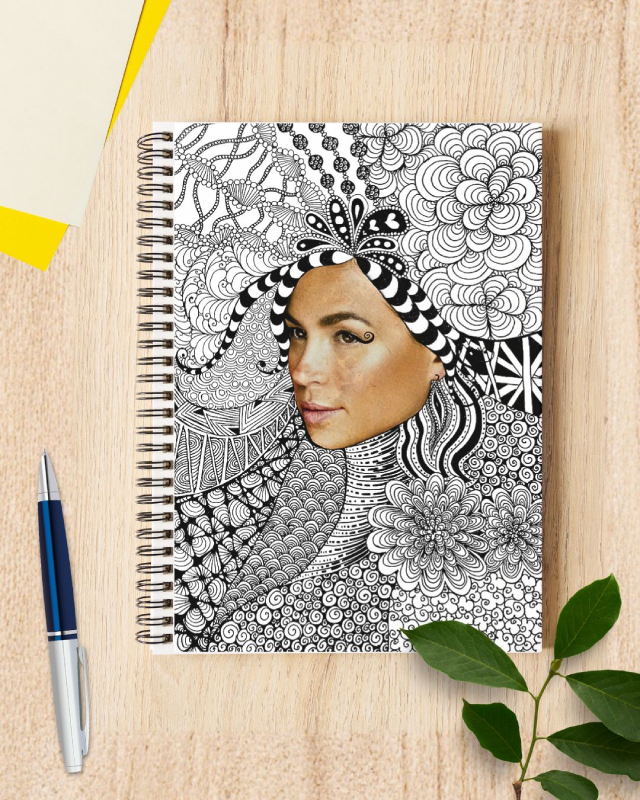
You can even include collage elements!
Easy patterns to start with
When you're first starting out, keep your patterns simple.
Try filling a page or shape with:
- Dots
- Lines
- Circles
- Spirals
- Waves
- Leaves
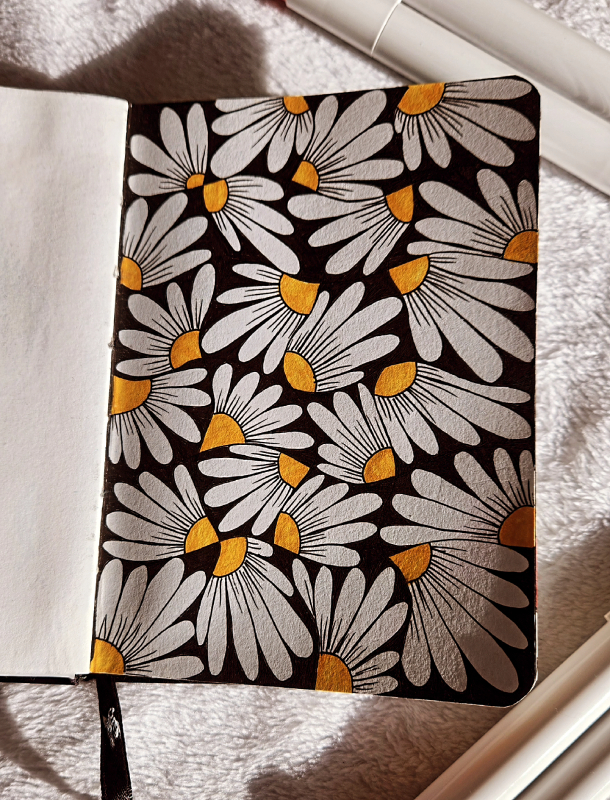
- Petals
- Checkerboard patterns
- Scallops
- Tiny hearts or stars
The magic happens when you repeat these simple shapes in different ways.
You don't need dozens of complicated patterns to create something beautiful.
Tips for beginners
Start small
Instead of filling an entire page, begin with a small section or shape outline (like a heart for example). It's much less overwhelming and helps build confidence.
Repeat simple shapes
One of the biggest misconceptions about doodling is that every section needs a different pattern.
It doesn't.
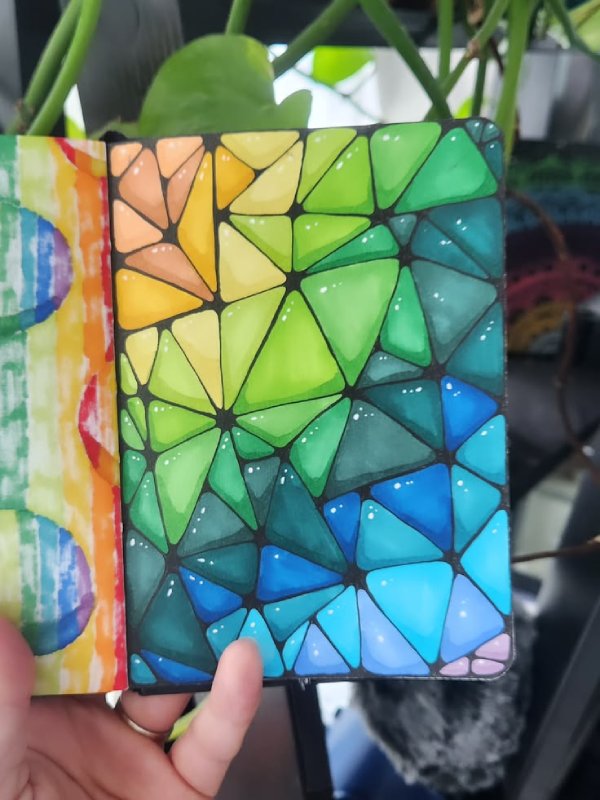
Repeating the same few shapes often creates the most cohesive designs. Here's a really simple example below:
Don't erase mistakes
Some of my favourite sketchbook pages include little imperfections.
If a line isn't perfectly straight or a shape isn't identical, keep going. Those small variations give your artwork personality.
Slow down
Zen doodle art isn't about finishing as quickly as possible.
Take your time and enjoy the rhythm of drawing each line.
Common beginner mistakes
If you're just getting started, try not to worry about:
- Making every page look perfect
- Comparing your work to other artists
- Learning dozens of patterns before you begin
- Using expensive art supplies
The best way to improve is simply to keep drawing.
Every page helps you become more comfortable with your own style.
A few ideas to try
Not sure what to doodle next?
Try decorating:
- Greeting cards
- Bookmarks
- Gift tags
- Journal pages
- Book covers
- Mandalas
- Frames around quotes
- Calendar pages
You'll quickly discover that zen doodles can be added to almost any creative project.
Looking for a guided project?
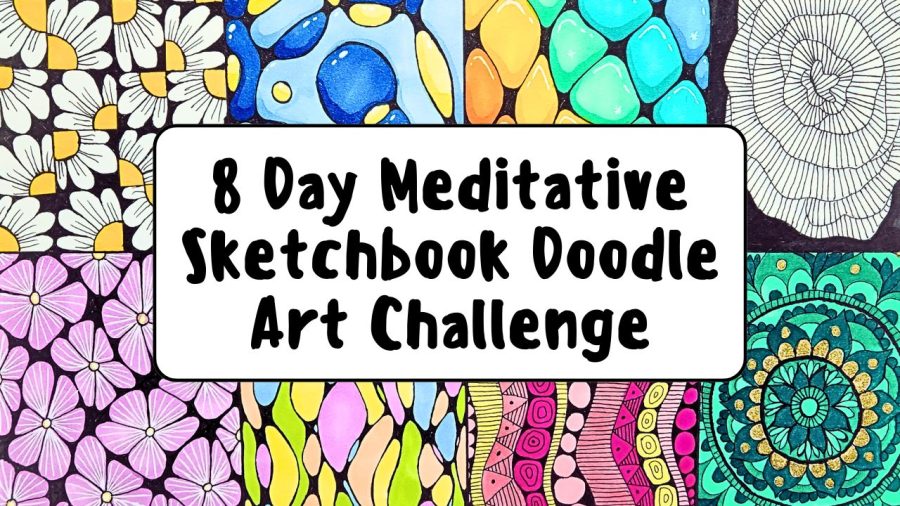
If you'd like a class to follow along with while creating these kinds of doodles, I recently created this Meditative Sketchbook Doodle Art Challenge | 8 Days of Mindful Doodling and Coloring Exercises class on Skillshare.
In the class, I'll guide you through creating relaxing, pattern-filled sketchbook pages from start to finish. It's designed for beginners and focuses on enjoying the creative process rather than making everything perfect.
Whether you're completely new to doodling or just looking for fresh inspiration, I'd love to have you join me in the class!
Final thoughts
The wonderful thing about zen doodle art is that there isn't a right or wrong way to do it.
Every line you draw helps you develop your own style.
So grab a pen, open your sketchbook, and start with one simple shape.
Before long, you'll be surprised by what grows from those first few marks.
Cheers,




0 Comments